WULOLIFE
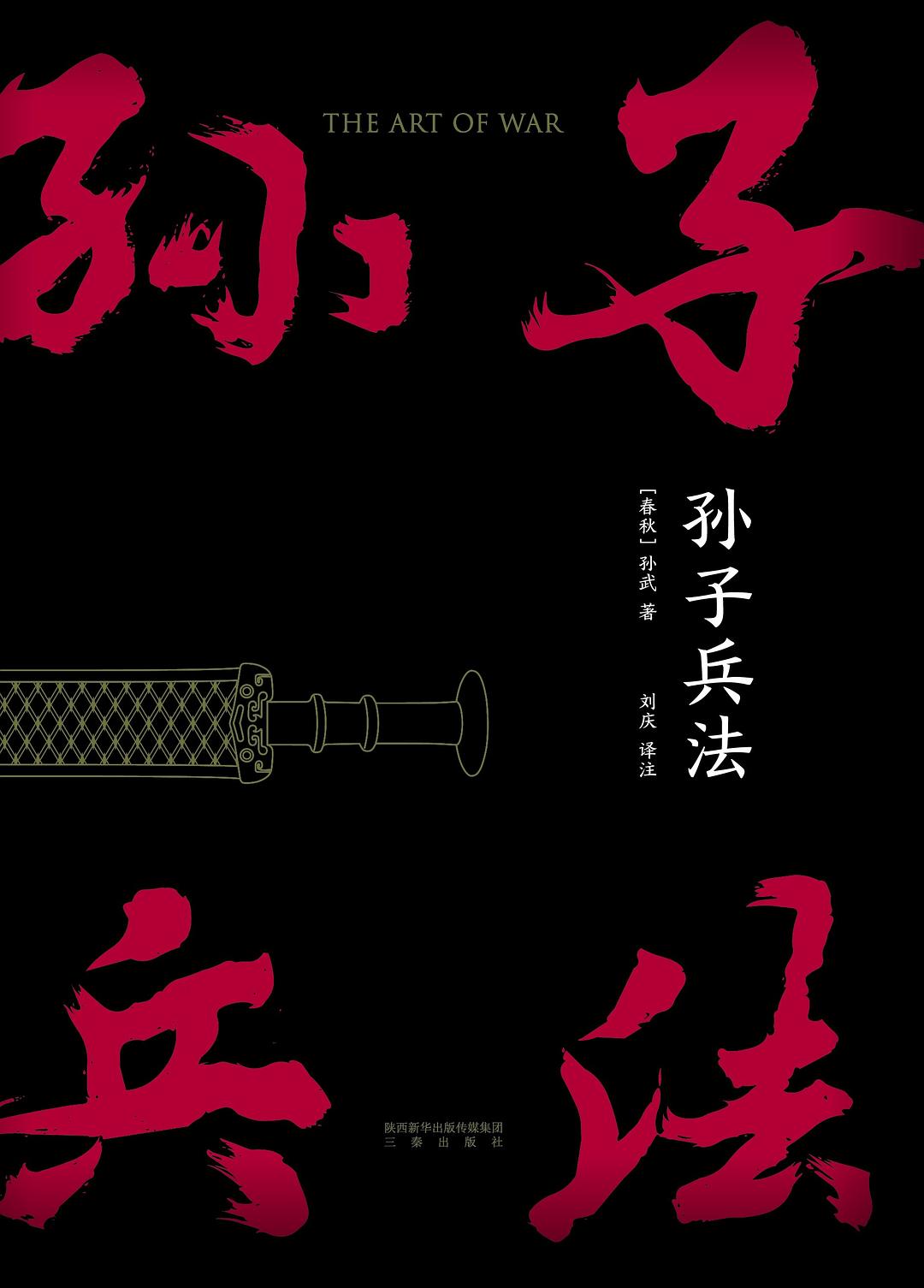
*The Art of War* Author: [ Spring and Autumn Period ] Sun Wu Publisher: Sanqin Publishing House
*The Art of War* Author: [ Spring and Autumn Period ] Sun Wu Publisher: Sanqin Publishing House
Couldn't load pickup availability
Description
About the Book · · · · · ·
Written over 2,500 years ago during the late Spring and Autumn period, "The Art of War" is the world's oldest treatise on military theory and China's greatest ancient military strategy. It has been translated into 27 languages, including Japanese, French, English, Russian, and German, and has been published in thousands of editions worldwide, making it one of the most influential and widely disseminated ancient Chinese texts.
While Chinese people are familiar with famous sayings from "The Art of War" such as "victory through extraordinary tactics," "place them in deadly peril and they will emerge alive," and "know yourself and your enemy, and you will never be defeated," the significance of reading this "sacred text of military strategy" lies more in understanding the strategic wisdom behind its tactics and its far-sighted attitude towards warfare.
Its macroscopic perspective and forward-thinking insights have given it a timeless and interdisciplinary appeal, earning it high regard in political, military, business, and cultural circles. Those who have held it as a guiding principle include emperors such as Cao Cao, Li Shimin, and Napoleon; US Presidents Nixon and Clinton; military strategists Takeda Nobuhiro and Tommy Franks; and the founders of Matsushita Electric, Sony, and Honda Motor, among others.
The original text of "The Art of War" is not long, consisting of just over 6,000 characters divided into thirteen chapters. This book uses the most complete version, "Ten Commentaries on Sunzi" from the Southern Song Dynasty, as its base text, translated and annotated by Liu Qing, a strategic researcher and doctoral supervisor at the Chinese People's Liberation Army Academy of Military Sciences. Each chapter begins with the original text in red, followed by a brief introduction, then a sentence-by-sentence translation and annotated analysis. The aim is to present the brilliance of Chinese wisdom in the most concise and clear manner possible.
————————————————————————
★ Translated and annotated by Liu Qing, Senior Colonel of the Strategic Research Department of the Chinese People's Liberation Army Academy of Military Sciences, Standing Director of the Sunzi Art of War Research Association, and Professor of the Sunzi Art of War General Education Course at Peking University
★ Red and black dual-color printing, three fonts distinguishing original text, translation, and annotations, a concise and clear hardcover collectible edition
★ Helps you achieve "prudent warfare," "swift warfare," "complete victory," and "know yourself and your enemy, and you will never be defeated"
————————————————————————
Famous Recommendations
I recommend this book as essential reading for all politicians and even university students. If I am fortunate enough to be elected president, I will legally require all officers and soldiers to take "The Art of War" examination twice a year, both written and oral, with a passing score of 95. Those who fail will be demoted, and if they wish to appeal, their ranks will be revoked. — James Clavell, American expert on Asian affairs
"The Art of War" provides timeless principles for conduct. I believe that for both politicians and various entrepreneurs, it can be a teacher to learn from and a classic from which to gain guidance. — US President Bill Clinton
Of all works on warfare, "The Art of War" is the best; "On War" can only rank second. — Israeli contemporary strategic scholar Creveld
"The Art of War" is the most divine text in the world. We must worship it, memorize it diligently, and apply it flexibly for our company to prosper. — Konosuke Matsushita, founder of Matsushita Electric
Had I seen this art of war earlier, I would not have failed. — Napoleon, Emperor of the First French Empire
I have read many military treatises and strategies, and Sun Wu's writings are profound. His careful consideration and meticulous planning are undeniable. — Cao Cao, Emperor Wu of Wei in the late Eastern Han Dynasty
I have examined many military texts, and none surpass Sun Wu's. — Emperor Taizong of Tang
Those who came before Sunzi did not omit Sunzi; those who came after Sunzi did not omit Sunzi. — Mao Yuanyi, Ming Dynasty military scholar
Looking at Chinese history, there are thirteen chapters in the military texts of over two thousand years, and those thirteen chapters establish China's military philosophy. — Sun Yat-sen
Sunzi's principle, "know yourself and your enemy, and you will never be defeated," remains a scientific truth to this day. — Mao Zedong
![*The Art of War* Author: [ Spring and Autumn Period ] Sun Wu Publisher: Sanqin Publishing House](data:image/gif;base64,R0lGODlhAQABAIAAAP///wAAACwAAAAAAQABAAACAkQBADs=)