WULOLIFE
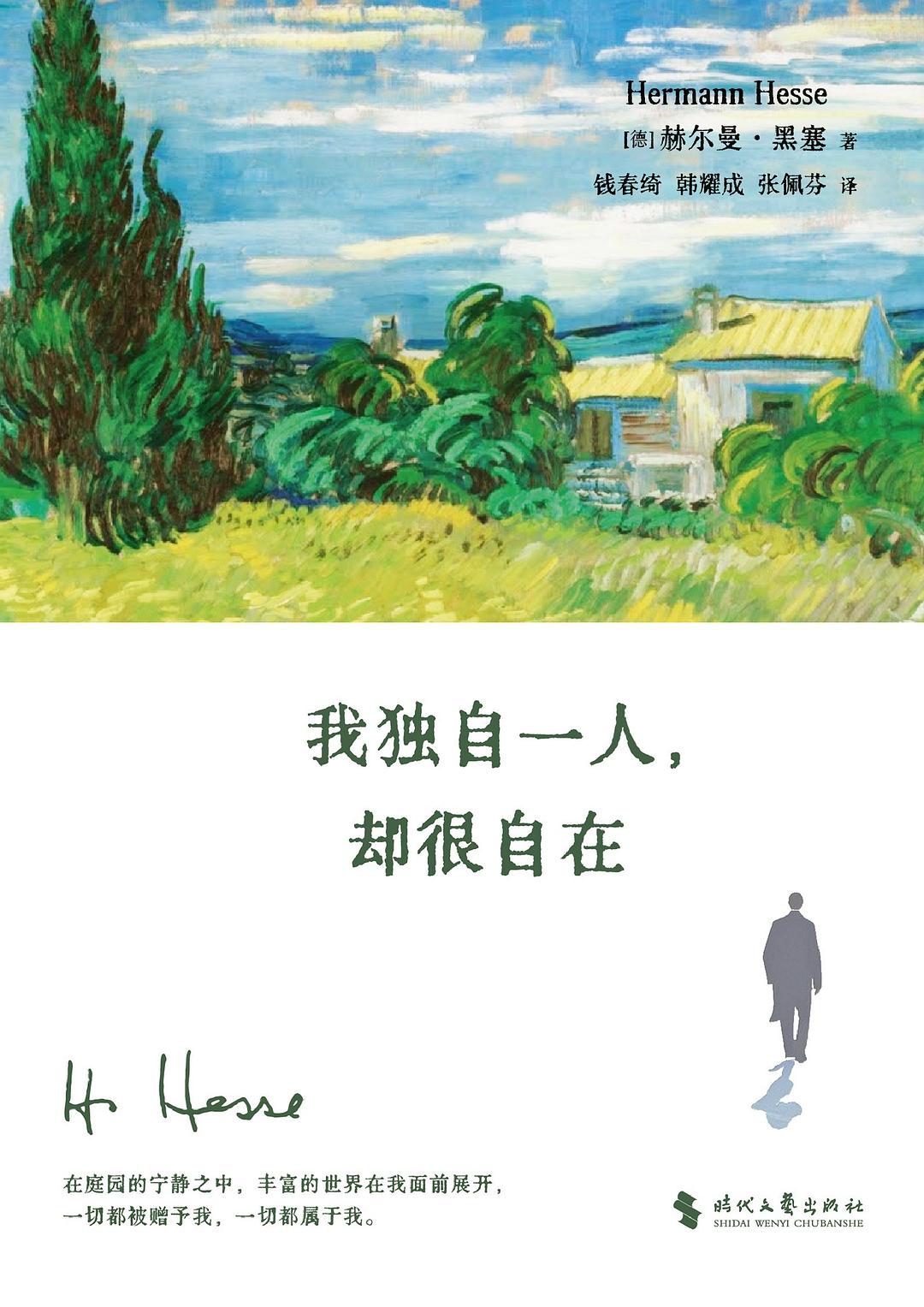
《Alone Yet Free》Author: [Germany] Hermann Hesse Publisher: Times Literature and Art Publishing House
《Alone Yet Free》Author: [Germany] Hermann Hesse Publisher: Times Literature and Art Publishing House
Couldn't load pickup availability
Description
About the Content · · · · · ·
[About the Content]
This book is a collection of natural healing poems, paintings, and essays by Nobel laureate and romantic writer Hermann Hesse. It includes his precious essays, poems, and artworks on pastoral activities and home-building themes.
For Hesse, these essays and poems were not just literary creations, but a necessity for his existence—using pastoral labor to heal his depression, he sat with his heart in tranquility, cultivating a self that was unhurried, reconstructing his spiritual order, and achieving "the freedom of slowness and the silence of depth."
He observed the world in solitude and heard his inner voice in quietude. The words he wrote for mornings and evenings, trees and lakes, permeate everyone who seeks inner peace. A quiet life can also be rich and free. One can live as one's own universe.
[Editor's Recommendation]
Carrying a basket, with a cat, walking into the fields—it's hard to believe that such a person is Nobel laureate Hesse. But those who know him understand: he was most completely himself when he was working the land.
This book contains Hesse's precious essays and poems about his personal farming and gardening. He was incredibly earnest, using all his literary talent to write these words. This was not just creation, but a necessity for his existence—using pastoral labor to heal his depression, reconstructing his spiritual order between sowing and harvesting, and achieving "the freedom of slowness and the silence of depth."
He observed the world in solitude and heard his inner voice in quietude. From the scent of soil in early spring to the vibrant life in the summer garden, and the tranquility brought by the first autumn rain, Hesse captured every tiny beautiful moment in nature with his keen senses and delicate brushstrokes, recreating them in his writings.
Reading this book is like taking a spiritual journey; the fragrance of life seeps into the heart with soothing language, dispelling gloom and calming anxiety. Listen to the wind rustling through the wheat, feel the warmth of the sun. Amidst the blooming and falling of flowers, the heart quietly returns to peace.
Between flowers, trees, and words, find an outlet for reconciliation with the world. One can live as one's own universe.
The world is getting more beautiful,
I am alone, but at ease.
I ask for nothing but to be drenched in sunlight.
Solitude is not pain; the more you want to be undisturbed, the more you will understand Hesse.
The words and paintings Hesse used to heal himself are also a remedy for us.
[Media Recommendation]
Hesse is undoubtedly a global poet. His reputation stems from his adherence to the romantic tradition of German literature and classical humanistic ideals, and even more so from his willingness to transcend national and cultural boundaries and actively absorb Eastern spiritual resources.
—"People's Daily"
If Hesse the novelist fell silent from 1943, Hesse the painter and poet continued to create until the end of his life. Hesse's poetry is also a treasure of German literature, inheriting the nature poetry tradition of Goethe and the Romantics, delicately and deeply depicting mountains and all things, recording thoughts of quiet nights and pastoral dreams.
—"The Beijing News"
Hesse believed that a poet only appears to be freely spontaneous, but internally requires—loyalty to self, reverence for nature, preparation for an unusual commitment to a task, and a sense of responsibility to never be satisfied with oneself, to ponder over a sentence repeatedly, and to stay up all night for well-structured lines of poetry.
—"Beijing Daily"
![《Alone Yet Free》Author: [Germany] Hermann Hesse Publisher: Times Literature and Art Publishing House](data:image/gif;base64,R0lGODlhAQABAIAAAP///wAAACwAAAAAAQABAAACAkQBADs=)